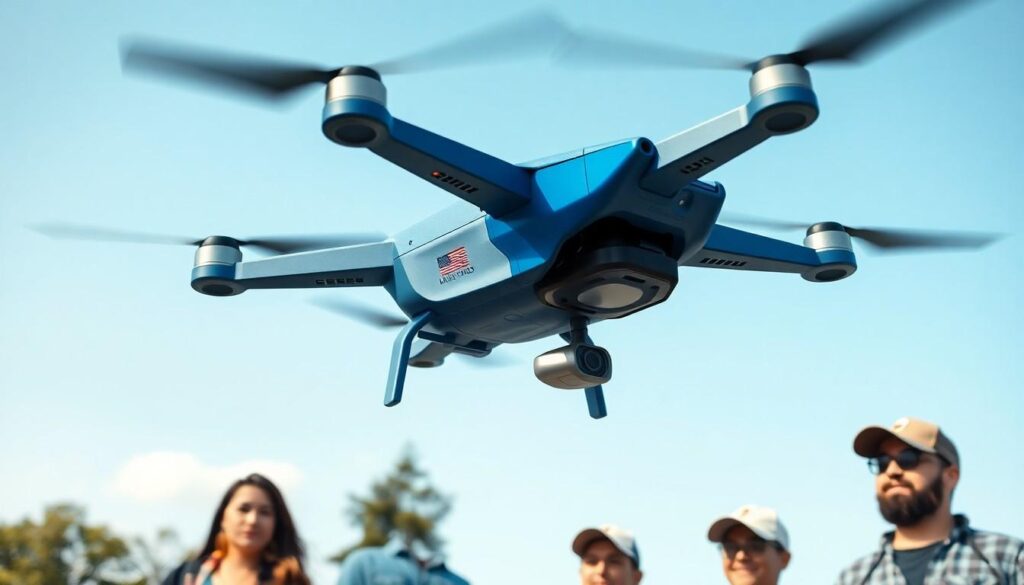
In a world where drones are no longer just for tech enthusiasts or military operations, blue list drones are taking center stage. These high-flying gadgets aren’t just any drones; they’re the superheroes of the skies, ready to tackle everything from aerial photography to search and rescue missions. Imagine a drone that’s not only smart but also stylish—like the James Bond of the drone world, minus the tuxedo.
Overview of Blue List Drones
Blue list drones represent a significant advancement in unmanned aerial vehicles. Their applications range from recreational use to crucial industry functions.
Definition and Purpose
Blue list drones refer to a category of drones approved for specific uses, typically under regulatory frameworks. Their primary purpose centers around enhancing efficiency and safety in various sectors. Businesses often utilize them for aerial photography, real estate marketing, and agricultural monitoring. Moreover, emergency responders employ blue list drones to support search and rescue missions and disaster assessments. Increased intelligence in these drones allows for automated operations, thus optimizing effectiveness.
Types of Blue List Drones
Several types of blue list drones cater to different needs and applications. Multi-rotor drones excel in aerial photography due to their stability and maneuverability. Fixed-wing drones provide longer flight times, making them ideal for surveying large areas, like farms or forests. Hybrid drones combine features of both types, offering versatility across tasks. Specialized drones also exist for specific functions, such as those equipped with thermal imaging for search and rescue. Various consumer and professional models continue to emerge, expanding the market and enhancing drone capabilities.
Features of Blue List Drones
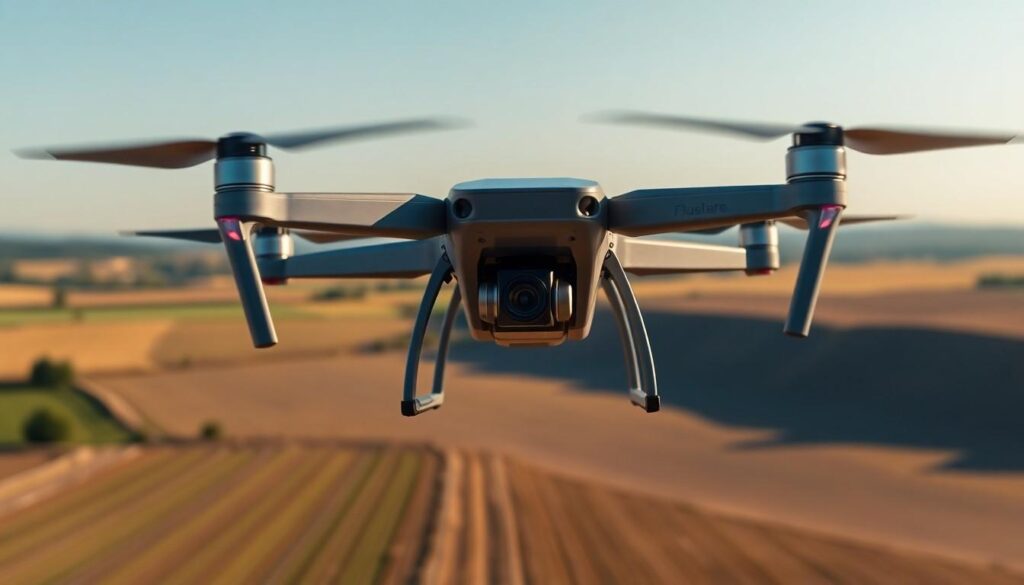
Blue list drones integrate advanced technology and user-friendly design, optimizing their functionality for various applications.
Advanced Technology
Innovative features define blue list drones, enabling them to excel in multiple domains. High-resolution cameras capture stunning aerial imagery, while obstacle avoidance sensors enhance flight safety. Advanced GPS systems ensure precise navigation and positioning. Some models utilize AI for real-time data analysis and improved decision-making. These technological advancements increase efficiency in sectors such as agriculture and emergency response.
User-Friendly Design
Intuitive interfaces make blue list drones accessible to users of all skill levels. Many models offer simple controls that facilitate operation, even for beginners. Lightweight materials contribute to portability, allowing for easy transport. Additional features, like one-click takeoff and landing, simplify the flying experience. Ergonomic designs enhance comfort for prolonged use. Overall, these user-centric elements enhance the usability of blue list drones across various environments.
Applications of Blue List Drones
Blue list drones serve a wide array of purposes across multiple sectors. Their capabilities extend from commercial applications to recreational uses, demonstrating versatility in various environments.
Commercial Uses
Businesses rely on blue list drones for numerous tasks. Real estate agents utilize high-resolution aerial photography to market properties effectively. Agricultural professionals employ these drones for crop monitoring, gathering crucial data on plant health and soil conditions. Industries like construction benefit from site inspections and progress tracking using drone technology. Package delivery services also integrate blue list drones, enhancing logistics efficiency. Overall, commercial applications showcase how these drones enhance productivity and decision-making.
Recreational Uses
Hobbyists engage with blue list drones for various leisure activities. Many individuals enjoy capturing stunning aerial shots during outdoor adventures. Racing events organized for drone enthusiasts draw large crowds and foster community engagement. Additionally, users appreciate drone flying for educational purposes, learning about technology and aviation principles. Creative individuals often experiment with aerial videography for artistic projects. Recreational applications highlight how blue list drones enrich personal experiences and foster new hobbies.
Pros and Cons of Blue List Drones
Blue list drones offer unique benefits and challenges that users should understand.
Advantages
Blue list drones provide enhanced efficiency across various sectors. Their ability to perform tasks like aerial photography and agricultural monitoring boosts productivity significantly. High-resolution cameras enable clear, detailed images, while advanced GPS systems ensure precise navigation. Many models come equipped with obstacle avoidance sensors, increasing safety during operation. User-friendly designs make these drones accessible to novices and experts alike. Businesses appreciate their versatility in applications, from construction site inspections to disaster assessments. Real-time data analysis, aided by AI technology, optimizes decision-making processes. Overall, blue list drones represent a major step forward in unmanned aerial technology.
Disadvantages
Blue list drones face several limitations that users should consider. Regulatory restrictions might hinder operational flexibility, especially in urban areas. Battery life can restrict flight times, affecting the feasibility of longer tasks. Equipment costs, including maintenance and training, can add up for businesses. Weather conditions often impact performance, limiting usage during adverse conditions. Users may encounter technical issues, necessitating repairs or replacements that add to downtime. Finally, privacy concerns arise with aerial photography, raising ethical questions about usage and surveillance. Awareness of these disadvantages is vital for effective operation.
Blue list drones have truly transformed the landscape of aerial technology. Their versatility in both commercial and recreational applications showcases their importance in enhancing efficiency and creativity. As these drones continue to evolve with advanced features and user-friendly designs, they’re becoming indispensable tools across various industries.
While challenges like regulatory hurdles and privacy concerns exist, the benefits they offer far outweigh the drawbacks. As more users embrace blue list drones, it’s clear that these remarkable devices will play a pivotal role in shaping the future of aerial innovation. With endless possibilities on the horizon, the sky’s the limit for what blue list drones can achieve.