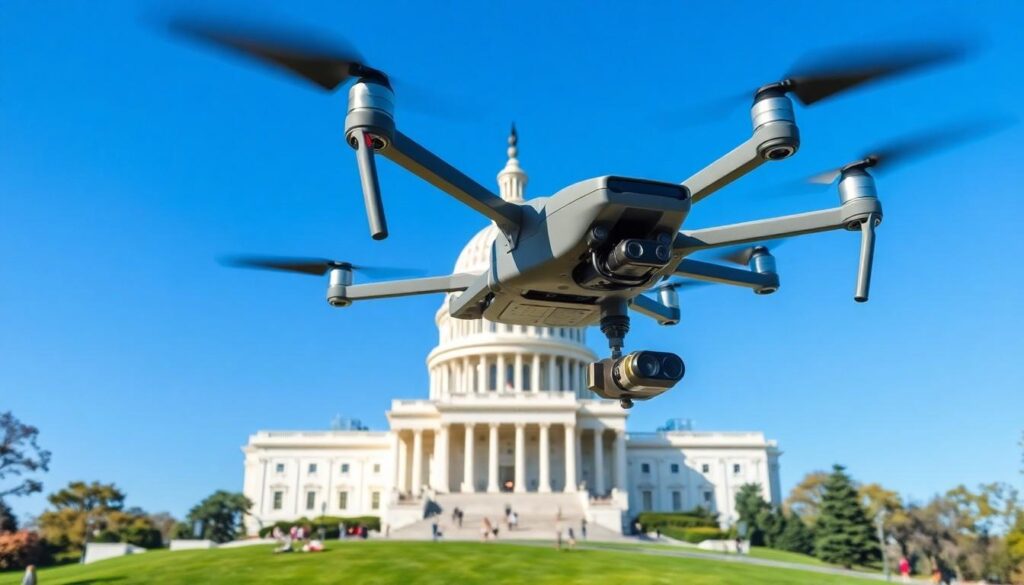
In a world where technology seems to outpace even the fastest congressional debates, drones have swooped in to change the game. Imagine a buzzing army of tiny aircraft zipping through the halls of Congress, delivering everything from important documents to the occasional pizza. Yes, it sounds like a scene straight out of a sci-fi comedy, but these drones are more than just futuristic toys—they’re reshaping how our lawmakers operate.
As Congress grapples with pressing issues, the integration of drones into the legislative process offers a glimpse into a more efficient future. These high-flying helpers promise to streamline communication and enhance transparency, all while keeping things a bit more entertaining. So buckle up as we explore the wild world of Congress drones, where innovation meets hilarity in the most unexpected ways.
Overview of Congress Drones
Congress drones represent a significant technological advancement in legislative processes. These unmanned aerial vehicles enhance communication and transparency among lawmakers. Drones facilitate live broadcasts of congressional sessions, allowing constituents to engage more directly with their elected officials.
In various capacities, drones can be employed to capture real-time footage of events, such as town hall meetings or committee hearings. These recordings offer citizens an unfiltered view of the legislative activities affecting their lives. Drones also provide a unique perspective on congressional operations, showcasing the often-overlooked dynamics within the Capitol.
With their ability to relay information swiftly, Congress drones streamline data collection and reporting. Legislators can access vital information more efficiently, leading to informed decision-making. Increased visibility of congressional activities helps build trust between lawmakers and their constituents by promoting accountability.
Training sessions for operators ensure that these drones adhere to strict regulations, ensuring safety and privacy. Collaboration between policymakers and technology experts optimizes the use of drones, aligning them with the needs of modern governance. As innovations continue to unfold, Congress drones might emerge as essential tools in political communication, reshaping how citizens interact with their representatives.
The integration of drones into congressional activities signals a forward-thinking approach to governance. This adaptation of technology not only modernizes processes but also enriches the democratic experience for Americans, allowing them to stay informed about legislative developments.
Key Features of Congress Drones

Congress drones showcase advanced capabilities geared towards enhancing communication and transparency in legislative processes. These drones integrate cutting-edge technology, specifically designed for optimal performance in various environments.
Design and Engineering
Innovative engineering defines the structure of Congress drones. Lightweight materials provide enhanced maneuverability, maximizing operational efficiency. Modular designs allow for quick adjustments and upgrades, adapting easily to specific congressional needs. Customizable features accommodate varying tasks, ranging from live broadcasting to data collection. Ergonomic controls simplify operation, ensuring user-friendliness for trained operators. Streamlined shapes reduce aerodynamic drag, increasing flight time and stability during sessions.
Performance Capabilities
Performance remains a key aspect of Congress drones. High-resolution cameras capture clear visuals, allowing constituents to view sessions in real-time. Extended battery life supports prolonged operations, critical during longer legislative meetings. Advanced sensors enhance navigation, helping drones maintain stability in crowded or complex urban environments. Connectivity features enable seamless data transmission, ensuring lawmakers receive immediate feedback. Payload capabilities allow for equipment transport, maximizing functionality. Responsive flight controls grant operators precise handling, improving mission outcomes.
Applications of Congress Drones
Drones increasingly impact various sectors in Congress, demonstrating their versatility in both military and civilian applications.
Military Utilization
Military applications stand out among Congress drones. These drones enhance surveillance capabilities, allowing for real-time intelligence gathering during military operations. Legislators utilize drone footage to assess strategic situations and inform policy decisions. Enhanced reconnaissance missions facilitate better resource allocation and improve safety for personnel. Real-time data transmission supports effective communication between command centers and field operations, ensuring timely responses. Innovations in drone technology continuously evolve to meet military needs, increasing effectiveness in both planning and executing missions.
Civilian Use Cases
Civilian use cases for Congress drones encompass a wide range of activities. Drones facilitate live-streaming of congressional sessions, increasing transparency and allowing citizens to engage directly with lawmakers. Data collection during town hall meetings captures public feedback, helping legislators understand constituent priorities. Drones also support environmental monitoring by providing vital aerial perspectives on natural resources and infrastructure. Other civic applications include surveying disaster-stricken areas, where drones deliver immediate assessments to aid recovery efforts. Overall, these applications illustrate how Congress drones bridge the gap between government and the public, promoting informed citizen involvement.
Advantages of Congress Drones
Congress drones provide several significant benefits that enhance legislative processes. These advantages include cost-effectiveness and technological innovation, which together improve efficiency and engagement.
Cost-Effectiveness
Drones reduce operational costs significantly. Expenses related to traditional broadcasting methods like crews and equipment decrease with drone use. This technology offers an affordable solution for live-streaming congressional sessions and public meetings. Moreover, savings in manpower allow Congress to allocate resources more effectively. With drones, it becomes easier to gather real-time data, expediting decision-making without unnecessary financial strain. The overall financial efficiency directly contributes to more transparent governance for constituents.
Technological Innovation
Innovation drives the development of Congress drones. High-resolution cameras capture clear visuals, enhancing transparency for constituents. Advanced sensors improve navigation, allowing for reliable operations in various environments. Features like extended battery life support longer missions, ensuring coverage of essential legislative activities. Drones facilitate real-time communication and data collection, bridging gaps between lawmakers and the public. This integration of cutting-edge technology enriches the legislative process and promotes an informed citizenry.
Challenges Facing Congress Drones
Congress drones face several significant challenges that hinder their full integration into legislative processes. Addressing these issues is crucial for optimizing their effectiveness.
Regulatory Hurdles
Regulatory challenges create barriers in deploying drones effectively. The Federal Aviation Administration (FAA) enforces strict rules governing airspace usage and drone operation. Compliance with these regulations ensures safety but complicates operations in urban areas. Legislators must navigate an evolving legal landscape, which can delay the implementation of drone technology. Additionally, privacy concerns arise, as drones equipped with cameras raise questions about surveillance and data collection. Balancing innovation with legal and ethical standards remains a priority for lawmakers.
Technical Limitations
Technical limitations also impact the operational capabilities of Congress drones. Power constraints result from battery life limitations, restricting flight duration during sessions. Advanced sensors enhance performance but may require ongoing software updates to function optimally. Communication systems may face interference, especially in densely populated areas, affecting data transmission reliability. Furthermore, varying weather conditions can disrupt drone operations, leading to inconsistent performance in different environments. Tackling these technical challenges is essential for ensuring the reliability and effectiveness of drones in congressional tasks.
The integration of drones in Congress marks a significant shift towards modernizing the legislative process. By enhancing communication and transparency these innovative tools have the potential to bridge the gap between lawmakers and constituents. With their advanced capabilities and cost-effectiveness Congress drones could reshape how legislative activities are conducted.
While challenges remain in terms of regulations and technical limitations addressing these issues will be key to fully realizing the benefits of drone technology. As Congress continues to explore these possibilities the future of governance could become more interactive and accessible for all citizens. Embracing this technology not only promotes efficiency but also fosters a more informed electorate ready to engage with their representatives.